
How Less Than Truckload Transportation Saves Costs and Increases Efficiency?

In today’s fast-paced logistics environment, businesses are always looking for smarter, leaner, and more efficient ways to move their goods. One strategy that has consistently proven valuable is Less Than Truckload (LTL) transportation. Unlike Full Truckload (FTL) shipping, where a single customer fills an entire truck, LTL allows multiple shippers to share space within one truck. This model not only reduces costs but also enhances efficiency across the supply chain.
What is Less Than Truckload Transportation?
LTL transportation is designed for shipments that are too large for parcel carriers yet too small to justify paying for an entire truck. Instead of sending half-empty trucks, carriers consolidate shipments from different businesses into one truck, with each paying for only the space they use.
For example, if one company needs to send four pallets of goods and another needs to send six, both shipments can travel together on a truck with capacity for 20 pallets. Each business pays a portion of the cost rather than covering the full expense of the vehicle.
Cost Savings Through Shared Capacity
The most obvious advantage of LTL transportation is cost savings. By splitting truck space, companies avoid paying for unused capacity. Shipping costs are calculated based on several factors, such as:
- Weight of the shipment
- Space occupied on the truck
- Distance travelled
- Freight class (based on density, handling, and liability)
This cost-sharing approach is especially beneficial for small to mid-sized businesses that do not consistently produce enough volume to fill an entire truck. Instead of waiting until they accumulate larger loads, they can ship goods more frequently without bearing the burden of full truckload rates.
Efficiency Gains from Optimised Routing
Beyond cost savings, LTL carriers excel at optimising routes. Since multiple shipments are loaded together, carriers carefully plan delivery schedules to maximise efficiency. Advanced logistics software helps determine the most effective routes, ensuring trucks are filled to capacity and travel with minimal empty miles.
This routing optimization reduces fuel consumption and lowers emissions, which not only saves money but also supports sustainability goals. Businesses that prioritise environmental responsibility benefit from using LTL as a greener shipping solution.

Flexibility for Businesses of All Sizes
LTL transportation offers a level of flexibility that is difficult to match with other methods. Businesses can ship smaller quantities more frequently, which is particularly useful in industries where demand is unpredictable.
For example, a retailer preparing for seasonal spikes may need to increase inventory quickly without committing to full truckload shipments. Similarly, manufacturers can keep production flowing smoothly by sending smaller batches of raw materials when needed, rather than stockpiling large volumes.
This flexibility allows companies to respond more effectively to market conditions and customer demands.
Improved Inventory Management
Because LTL shipments can be made in smaller, more frequent batches, businesses can keep tighter control over inventory levels. This “just-in-time” approach reduces the need for excessive warehouse space, lowers carrying costs, and minimises the risk of overstocking or obsolescence.
Smaller, more manageable shipments also make it easier for businesses to test new products in select markets before committing to larger distribution.
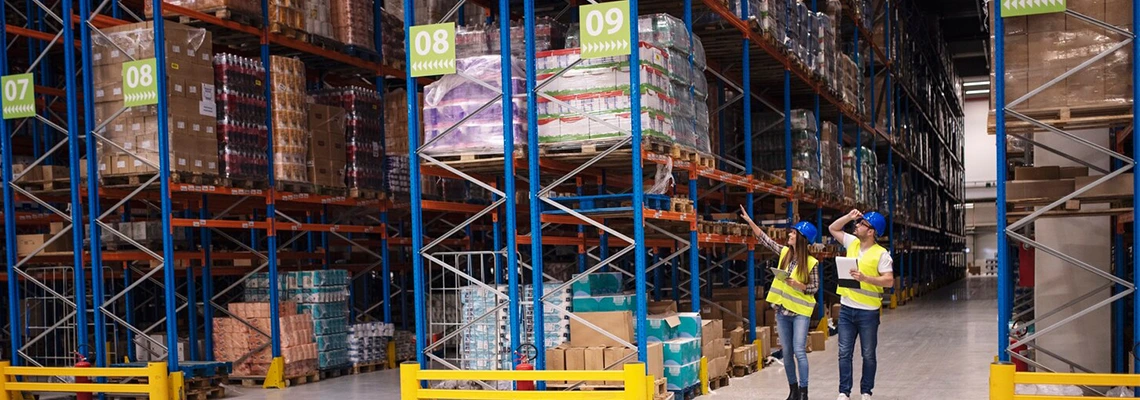
Technology Enhancing LTL Efficiency
Modern technology has further improved the efficiency of LTL transportation. Carriers now use advanced tracking systems, automated booking platforms, and real-time visibility tools. These innovations allow businesses to:
- Monitor shipments in transit
- Receive accurate delivery estimates
- Improve communication with customers
- Analyse shipping data for better planning
With these tools, shippers gain more confidence in LTL as a reliable and predictable method of transport.
Reduced Risk and Better Security
When businesses share truck space, their shipments are often palletised and shrink-wrapped for added protection. Carriers also make fewer direct stops compared to parcel shipping, reducing handling and lowering the risk of damage or loss.
Some LTL carriers specialise in particular industries, such as retail or healthcare, and offer tailored handling processes to ensure goods arrive in excellent condition.
Challenges and How to Overcome Them
While LTL transportation provides many benefits, there are challenges to consider. Transit times can be slightly longer compared to full truckload shipping because trucks may stop at multiple terminals to load and unload goods. Additionally, shipments may be handled more often during transfers.
However, businesses can overcome these challenges by choosing reputable carriers with strong service records, using proper packaging, and leveraging technology for better tracking. The slight trade-off in speed is often worth the substantial savings and efficiency gains.
When to Choose LTL Over Other Options?
LTL transportation is most suitable when:
- The shipment weighs between 150 and 15,000 pounds
- The load does not fill a full truck
- Cost savings are a priority
- Shipments are not extremely time-sensitive
- A business wants to ship more frequently in smaller batches
For time-critical deliveries or shipments requiring a dedicated truck, full truckload may be more appropriate. For very small packages, parcel services remain the most efficient option.
The Future of LTL Transportation
As e-commerce continues to grow, demand for smaller, more frequent shipments will increase. LTL carriers are already investing in technology, automation, and route optimisation to meet these demands. This trend positions LTL as a cornerstone of modern logistics strategies for companies of all sizes.
Conclusion
Less Than Truckload transportation delivers a winning combination of cost savings and efficiency. By sharing truck capacity, businesses avoid unnecessary expenses, while optimised routing and advanced tracking enhance reliability and sustainability.
For small to mid-sized companies especially, LTL provides the flexibility to ship goods more often without breaking the budget. With technology continuing to refine operations, LTL will remain a vital tool for businesses seeking smarter logistics solutions.
Choose Picktel Motors today and see how LTL transportation services can transform your logistics.